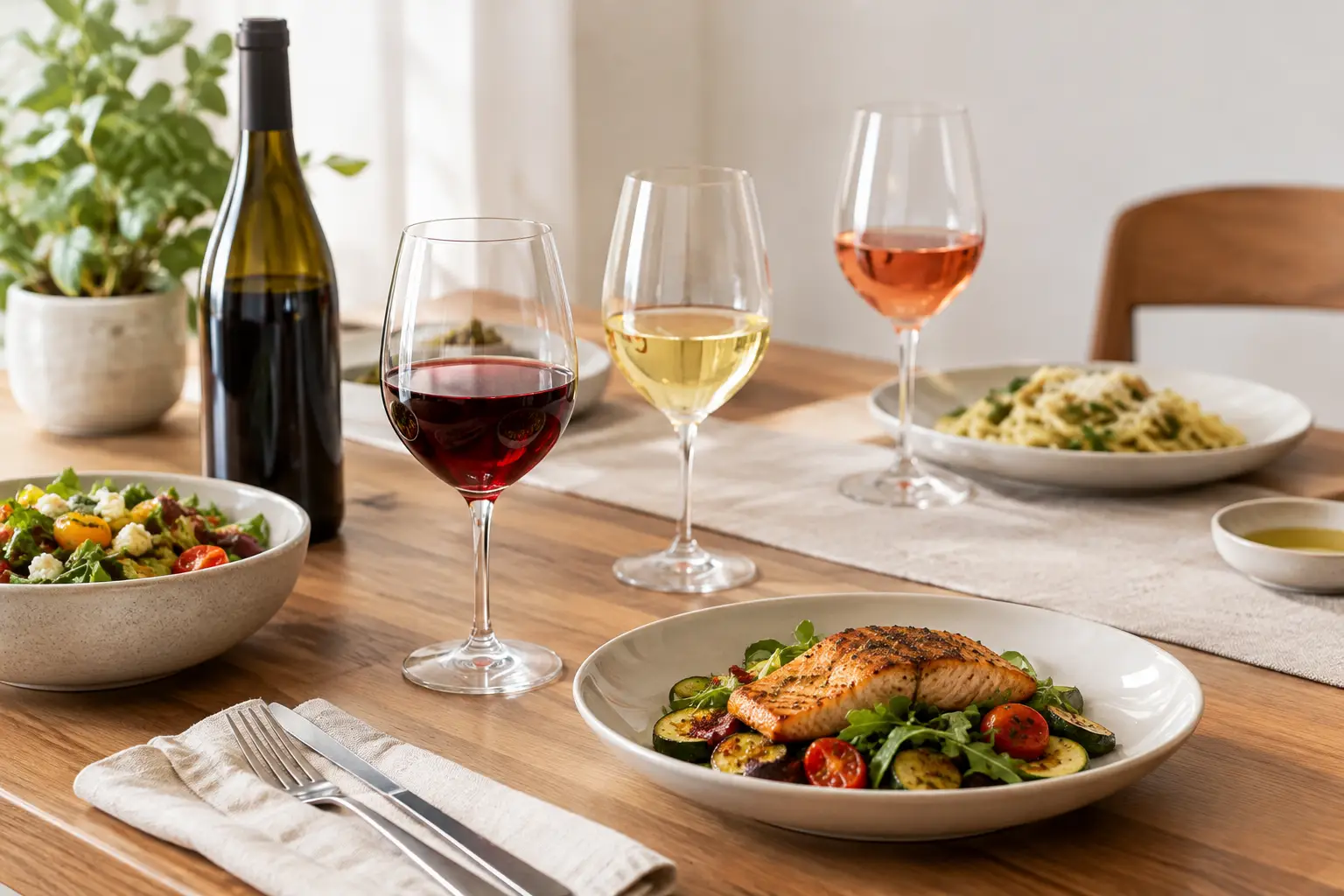

Cabernet Dinner Menus for Relaxed Entertaining
A Cabernet dinner does not need a complicated sauce, a formal table setting, or a steakhouse-sized budget. The most successful Cabernet dinner menus begin with one simple idea: serve food with enough flavor and texture to meet the wine, then let everyone settle in and enjoy the meal.
Cabernet Sauvignon is often associated with rich beef dishes, and that pairing can be wonderful. But a balanced, food-friendly Cabernet can bring just as much pleasure to roast chicken, hearty vegetables, pasta, and a well-built cheese board. The goal is not to follow a rigid rule. It is to create a dinner where the food and wine each have room to shine.
Start Cabernet Dinner Menus With Balance
Cabernet typically has structure, dark-fruit character, and a savory side that feels especially comfortable beside roasted, grilled, and braised foods. Those qualities make it a natural partner for meals with browned edges, herbs, earthy ingredients, and a little richness. Think mushrooms, caramelized onions, rosemary, black pepper, tomatoes, aged cheese, or a simple pan sauce.
What can make a pairing feel less successful is a dish that is either much sweeter or much hotter than the wine. A very sweet glaze can make Cabernet seem more dry and tannic. A fiery chile-heavy dish may make the alcohol feel more noticeable and can cover up the wine’s balance. That does not mean these flavors are off limits. It simply means moderation matters. Use a smoky barbecue sauce rather than a sugary one, or add heat at the table so guests can choose their own level.
Texture matters, too. Cabernet’s structure softens when it meets protein and fat, which is why a juicy burger, a lamb chop, or a bowl of pasta with a meaty ragù can work so well. For a vegetarian menu, olive oil, cheese, lentils, beans, mushrooms, and roasted squash can provide the same satisfying bridge.
A Weeknight Cabernet Menu That Feels Special
A weeknight dinner should be easy enough to make without turning the kitchen into a project. Roast chicken thighs with garlic, lemon, and rosemary offer deep flavor with very little fuss. Add crispy potatoes and green beans or broccolini, then finish with a spoonful of pan juices. The chicken brings savory richness, while the herbs and roasted vegetables echo the wine’s food-friendly character.
If chicken thighs are not on the menu, try a burger night with a thoughtful upgrade. Use good-quality ground beef or a plant-based burger with a substantial texture, add sautéed mushrooms and onions, and serve it with oven fries and a simple arugula salad. Skip an overly sweet ketchup-heavy topping in favor of mustard, pickles, or a lightly tangy aioli. The meal remains relaxed, but it gives Cabernet enough to work with.
For a meatless option, make stuffed portobello mushrooms with farro, lentils, herbs, and a touch of Parmesan or goat cheese. Serve them alongside roasted carrots and a crisp salad. This is a good reminder that Cabernet does not require red meat. Earthy vegetables and savory grains can create a pairing that feels just as complete.
Keep the First Course Fresh
A small first course can help guests ease into the evening without filling up before dinner. A salad of greens, shaved fennel, toasted walnuts, and a restrained vinaigrette works nicely. So does a plate of marinated olives, roasted nuts, and mild-to-aged cheeses.
Avoid starting with something aggressively acidic, sugary, or spicy if Cabernet will be poured right away. A sharp citrus salad or a very vinegary appetizer can make the first sip feel tougher than it really is. If you love those flavors, serve them before opening the bottle or keep the dressing light.
A Dinner Party Menu Built Around Cabernet
For a larger gathering, choose a main dish that can rest before serving. This gives the host time to sit down and enjoy the wine rather than managing a last-minute cooking rush. Braised short ribs, a beef stew with mushrooms, or a slow-roasted tri-tip can all work well when prepared with care and served family-style.
A comforting menu might begin with warm bread, olives, and a simple cheese plate. Follow with a main course of braised beef or mushroom-and-lentil stew, creamy polenta, and roasted seasonal vegetables. For dessert, choose something that is not intensely sweet, such as an apple galette, poached pears, or a modest cheese course with dried fruit and nuts.
The advantage of this kind of menu is that it feels generous without being showy. Most of the cooking can happen ahead, and the flavors become more settled with time. Cabernet is not competing for attention. It becomes part of the table, alongside the food, conversation, and second helpings.
When Steak Is the Right Choice
Steak remains a classic Cabernet partner for a reason. The protein and richness can make the wine feel smoother, while a good sear brings out savory notes in both the food and glass. A grilled ribeye, strip steak, or well-seasoned flank steak can all fit the occasion.
The choice depends on the gathering. Ribeye is especially rich and works well for a smaller dinner. Flank steak is more economical and easier to serve to a crowd when sliced thinly across the grain. Keep the seasonings straightforward: salt, pepper, garlic, rosemary, and a little olive oil are often enough. Add a mushroom sauce or herb butter if you like, but avoid burying the dish under a heavy, sweet sauce.
Serve steak with one starchy side and one green vegetable. Crispy potatoes and asparagus, creamy mashed potatoes and broccolini, or roasted sweet potatoes and a bitter greens salad all bring contrast without making the plate feel crowded.
How to Build a Vegetarian Cabernet Dinner
A vegetarian Cabernet menu works best when it leans into depth rather than trying to imitate a steak dinner. Roasting, grilling, browning, and slow cooking bring the kind of savory flavor Cabernet appreciates. Mushrooms are an easy starting point, but they are not the only answer.
Consider eggplant Parmesan with a tomato sauce that is more savory than sweet, baked pasta with lentils and mushrooms, or a vegetable pot pie with a flaky crust and plenty of herbs. White beans braised with tomatoes, kale, and garlic can become a satisfying centerpiece when paired with roasted squash or polenta. A little cheese is helpful, but it is not essential.
For guests who eat a range of foods, a shared table can make planning easier. Serve a mushroom ragù over polenta, with optional grilled sausage or sliced steak on the side. Everyone has a complete meal, and no one feels like an afterthought.
Serving Cabernet at the Table
Cabernet is generally more enjoyable when it is slightly cooler than a warm room. If the bottle has been sitting in the kitchen, a brief rest in the refrigerator can help it feel fresher and more balanced. Open it before dinner is served, especially if the wine is young, so it has a little time to open in the glass.
You do not need a formal tasting routine. Pour modestly, take a sip with food, and notice how the flavors change after a bite. That is where the pairing becomes real. A wine that feels structured on its own may feel softer beside roasted meat, mushrooms, or a creamy side dish.
At SKS Cellars, the guiding thought is simple: thoughtfully crafted wine is made to be enjoyed at the table. That is a useful standard for hosting, too. Choose a menu you can cook with confidence, set out food that invites sharing, and let the bottle be part of the evening rather than the whole performance.
Make the Menu Fit the Moment
There is no single right answer for Cabernet dinner menus. A quiet Tuesday meal may call for burgers and roasted vegetables, while a birthday dinner may deserve braised short ribs and a lingering cheese course. Weather, guest preferences, time, and budget all shape the best choice.
What matters most is building around savory flavor, manageable preparation, and the people at your table. When the menu feels relaxed enough for the host to enjoy it, Cabernet has a way of making an ordinary dinner feel worth gathering for.