
How to Pair Cabernet with Steak at Dinner
A great steak dinner does not need a complicated wine rulebook. When you pair Cabernet with steak, the goal is simple: let the wine’s structure meet the richness of the meat, so each bite and sip feels more balanced than either would on its own. It is one of the most dependable pairings at the table, but the cut, seasoning, and sauce can all change the best choice.
Cabernet Sauvignon is often a natural fit for steak because it has enough body and gentle grip to stand alongside beef. Steak has protein, fat, and savory depth; Cabernet brings dark-fruit character, freshness, and tannins, the drying sensation that can make a wine feel firm. Together, they soften one another in a pleasing way. The wine feels rounder, and the steak tastes even more satisfying.
How to Pair Cabernet With Steak
Start with the steak itself, not just the fact that it is beef. A lean, tender filet mignon calls for a different approach than a richly marbled ribeye. The same Cabernet can work with both, but a few choices at the grill and on the plate will make the pairing feel more considered.
Ribeye and other well-marbled cuts
Ribeye is the classic match for Cabernet because its marbling has the richness to handle a fuller red wine. As the fat renders, it softens the wine’s tannins and brings forward its fruit. Keep the preparation straightforward: kosher salt, black pepper, a good sear, and a proper rest are often all a ribeye needs.
A charcoal or grill char can be especially good here. The savory, lightly smoky crust creates a bridge to Cabernet’s deeper flavors without covering up the wine. If you serve a compound butter, use it with a light hand. Too much butter can make the whole plate feel heavy, while a small amount of garlic, herbs, or cracked pepper adds interest.
New York strip for a balanced pairing
New York strip is a favorite for a reason. It offers more chew and beefy character than filet, with less richness than ribeye. That balance makes it an easy partner for a broad range of Cabernets, including wines that are smooth and approachable rather than intensely powerful.
This is a good cut for a weeknight dinner that still feels special. Try it with roasted mushrooms, grilled asparagus, or crispy potatoes. Those savory sides support the steak and wine without competing for attention. A simple pan sauce made from the steak drippings can work beautifully, provided it is not overly sweet.
Filet mignon needs a lighter touch
Filet mignon is tender and elegant, but it is leaner and milder than ribeye or strip steak. Cabernet can still be a lovely choice, especially one with a balanced, food-friendly style, but the plate benefits from a savory companion. Mushrooms, a modest red wine pan sauce, or a pepper crust can give the filet enough depth to meet the wine.
Avoid piling on rich sauces simply because filet is a special-occasion cut. A heavy cream sauce may make a Cabernet seem more drying or less expressive. If you want a sauce, think savory and restrained: mushroom, shallot, herbs, or a small spoonful of jus.
Flank, skirt, and tri-tip reward bold seasoning
Grilled flank steak, skirt steak, and similar cuts are flavorful, practical choices for serving a group. They are especially welcoming with Cabernet when sliced thinly across the grain and paired with a good char. These cuts often invite more seasoning than filet or ribeye, and Cabernet can stand up to garlic, rosemary, black pepper, and smoky grill flavors.
Be mindful of heat, though. A little chile is fine, but a very spicy rub can make a dry red wine feel warmer and more tannic. If your steak has serious heat, serve cooling sides such as grilled corn, avocado, or a bright salad, and do not overdo the spice in the glass.
Seasoning and Sauce Can Change the Pairing
Salt is Cabernet’s friend. Properly seasoning steak brings out its savory character and makes the wine taste more complete. Pepper, rosemary, thyme, garlic, and mushrooms are also natural partners because they add earthy or herbal notes without introducing much sweetness.
Sweet sauces require more care. Barbecue sauce, brown sugar glazes, and sweet reductions can make a dry Cabernet seem less fruity and more firm. That does not mean you must skip them, but balance them with acidity, smoke, or spice rather than sweetness alone. A tangy barbecue sauce is generally easier with Cabernet than a sticky, candy-like one.
A blue cheese topping can be delicious with a grilled steak and Cabernet, especially for those who enjoy big savory flavors. Use a modest amount. The cheese should season the steak, not take over the meal. The same principle applies to caramelized onions, bacon, and rich butter sauces: delicious additions, best used with intention.
Build the Plate Around the Wine, Too
The side dishes can quietly make or break a steak-and-Cabernet dinner. Roasted potatoes, mushrooms, sautéed greens, grilled onions, and vegetables with a little char all tend to work well. Their savory character gives the wine and steak a common ground.
Freshness matters, especially with a richer cut. A salad with a tangy vinaigrette, roasted broccolini with lemon, or green beans with herbs can keep the dinner from feeling too weighty. Just avoid pairing a very sharp vinegar-forward salad with a first sip of Cabernet. Serve the salad alongside the meal rather than making it the last flavor on your palate before the wine.
For a relaxed dinner with friends, consider serving steak family-style. Slice a rested tri-tip or strip steak, arrange the sides in the center of the table, and let everyone build a plate. It takes some pressure off the host and makes the wine feel like what it should be: part of a meal meant to be shared.
Serve Cabernet at the Right Temperature
Cabernet is often served too warm. A bottle that has been sitting in a warm dining room can taste more alcoholic, softer, and less fresh than intended. Aim for lightly cool room temperature, roughly 60 to 65 degrees Fahrenheit. In many Southern California homes, that may mean placing the bottle in the refrigerator for about 15 to 20 minutes before dinner.
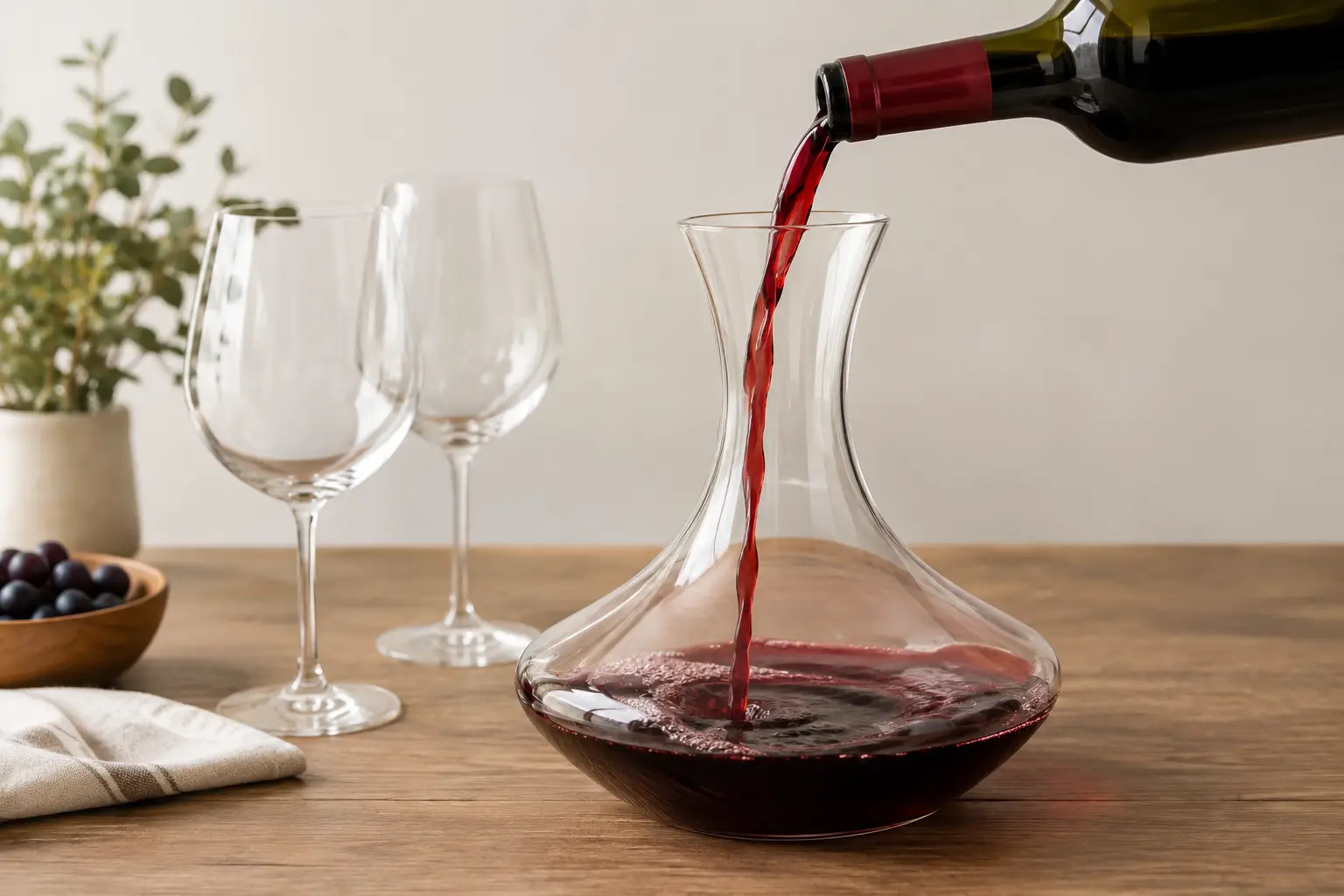
Open the wine shortly before cooking, then pour a small taste once the steak is resting. If it seems tight at first, a few minutes in the glass can help it open naturally. There is no need to turn serving wine into a ceremony. A clean glass, a good temperature, and an unhurried meal do more than most extra steps.
When Cabernet Is Not the Best Answer
Cabernet and steak are a dependable match, not a commandment. If your meal centers on a delicate steak preparation, a creamy sauce, or a very spicy marinade, another red may suit the plate better. The right bottle is the one that helps dinner feel balanced and easy to enjoy.
That said, thoughtfully crafted Cabernet remains a welcoming place to start for grilled or roasted steak. At SKS Cellars, the idea is not to make wine feel like a test. Choose a cut you enjoy, season it well, give it time to rest, and pour a balanced Cabernet alongside people you are glad to have at your table.
The best pairing is often the one that leaves everyone lingering after dinner, reaching for one more bite of steak and one more unhurried conversation.