
A Guide to Cabernet Food Pairings at Home
Cabernet Sauvignon has a place at the center of the table when dinner calls for depth, savoriness, and a little extra care. This guide to Cabernet food pairings starts with a simple idea: match the wine to foods that can meet its structure, then leave room for the people and conversation around the meal.
Cabernet is often known for its dark-fruit character, firm texture, and drying sensation on the finish. That last quality comes from tannins, natural compounds found in grape skins and seeds that can make a wine feel pleasantly grippy. With the right dish, those tannins soften into the background and the wine feels smoother, brighter, and more complete.
You do not need a steakhouse menu or a complicated recipe to make Cabernet work. A well-seasoned roast chicken, a burger cooked on the grill, or a weeknight pasta with a rich tomato sauce can all be wonderful choices. The goal is not to follow rigid rules. It is to build a meal where the wine and food make each other taste better.
A Guide to Cabernet Food Pairings Begins With Balance
Cabernet generally has more body and structure than lighter reds, so it can be overwhelmed by delicate dishes. A simply dressed white fish or a very light salad may make the wine seem firmer and more bitter than it actually is. Instead, look for food with enough richness, salt, char, herbs, or savory flavor to give the wine a partner.
Fat is particularly helpful. It can come from a marbled cut of beef, olive oil, cheese, mushrooms cooked in butter, or even a creamy element in a sauce. Richness rounds the wine’s edges, while Cabernet refreshes the palate between bites. That back-and-forth is why the pairing feels so satisfying.
Salt also plays an important role. A properly seasoned dish can make fruit flavors in Cabernet seem more generous and can soften its drying texture. This does not mean making food salty. It means tasting as you cook and giving a grilled steak, roasted vegetables, or tomato sauce the seasoning it needs.
Acid takes a little more care. Bright ingredients such as tomatoes, balsamic vinegar, lemon, and pickled vegetables can work beautifully, but a sharply acidic dish may make some Cabernets feel leaner. Balance those ingredients with olive oil, cheese, roasted meat, or a fuller sauce rather than letting acidity stand alone.
Start With the Sauce, Not Just the Protein
When choosing a pairing, the sauce or preparation often matters more than the main ingredient. Chicken with a light lemon-herb pan sauce may suit a white wine better, while chicken braised with mushrooms, garlic, and tomatoes has the savory depth Cabernet appreciates.
The same is true of steak. A simply grilled steak with salt and pepper is a classic match, but the dish changes with the sauce. Herb butter, mushroom sauce, caramelized onions, and a modest amount of smoky barbecue sauce all work well. A sweet, sticky sauce can make a dry Cabernet seem less fruity, so keep sweetness in check or choose a sauce with savory spice and tang.
The Best Everyday Foods for Cabernet Sauvignon
Grilled beef is a natural place to start. Burgers, tri-tip, flank steak, meatballs, and roast beef all have the browned, savory flavor that makes Cabernet feel at home. For a relaxed dinner, serve burgers with aged cheddar, sautéed onions, and oven-roasted potatoes. The cheese and beef bring richness, while the onions add a gentle sweetness without taking over the wine.
Lamb is another dependable choice, especially with rosemary, garlic, oregano, or a peppery herb rub. A rack of lamb may be reserved for a celebration, but lamb chops or a simple ground lamb dish can be just as inviting. Cabernet’s structure has enough presence for lamb’s distinctive flavor, and fresh herbs keep the pairing lively.
Pork can work too, particularly when it is roasted, grilled, or prepared with savory seasoning. Think pork tenderloin with mushrooms, pork chops with a mustard-herb sauce, or slow-cooked pork with beans and roasted peppers. Avoid very sweet glazes unless they are balanced by smoke, spice, or acidity.
For a meatless table, mushrooms are one of Cabernet’s most useful companions. Their earthy, savory character gives a dish weight without requiring meat. Try mushroom risotto, a lentil and mushroom loaf, stuffed portobellos, or pasta with browned mushrooms and Parmesan. Eggplant, roasted cauliflower, black beans, and walnuts can add similar depth when combined with enough seasoning and texture.
Pasta, Pizza, and Comforting Italian-Inspired Meals
Cabernet does not need to wait for a formal dinner. A baked pasta with sausage, mushrooms, and tomato sauce can make a generous, family-style pairing. Lasagna, eggplant Parmesan, and meatball sandwiches are also good options because cheese, tomato, and browned flavors create a bridge to the wine.
Pizza works best when the toppings have some savory substance. Mushroom and sausage, pepperoni with roasted peppers, or a vegetable pizza with olives and a little extra cheese are more Cabernet-friendly than a very light cheese pizza. If the pizza has a spicy component, keep it moderate. High heat can make tannins feel more pronounced and can hide the wine’s balance.
Pairing Cabernet With Cheese and Small Plates
A cheese board can be a simple dinner starter or an easy way to welcome guests before the meal. With Cabernet, choose firmer, flavorful cheeses rather than very delicate fresh cheeses. Aged cheddar, Gouda, Manchego, and firm sheep’s milk cheeses are often good choices. Their salty, nutty qualities meet the wine without making it seem heavy.
Add savory accents such as roasted nuts, olives, cured meats, crackers, and a small bowl of marinated mushrooms. Fresh fruit can be lovely, but skip overly sweet jams or large amounts of honey if Cabernet is the main pour. A few dried cherries or figs are enough to add contrast without shifting the balance too far toward sweetness.
For casual gatherings, small plates can be just as effective as one main dish. Grilled sausages with peppers, mushroom crostini, mini meatballs, or roasted vegetable skewers make it easy for everyone to find a bite that works with the wine. This is especially useful when a table includes different appetites and preferences.
Foods That Can Be Tricky With Cabernet
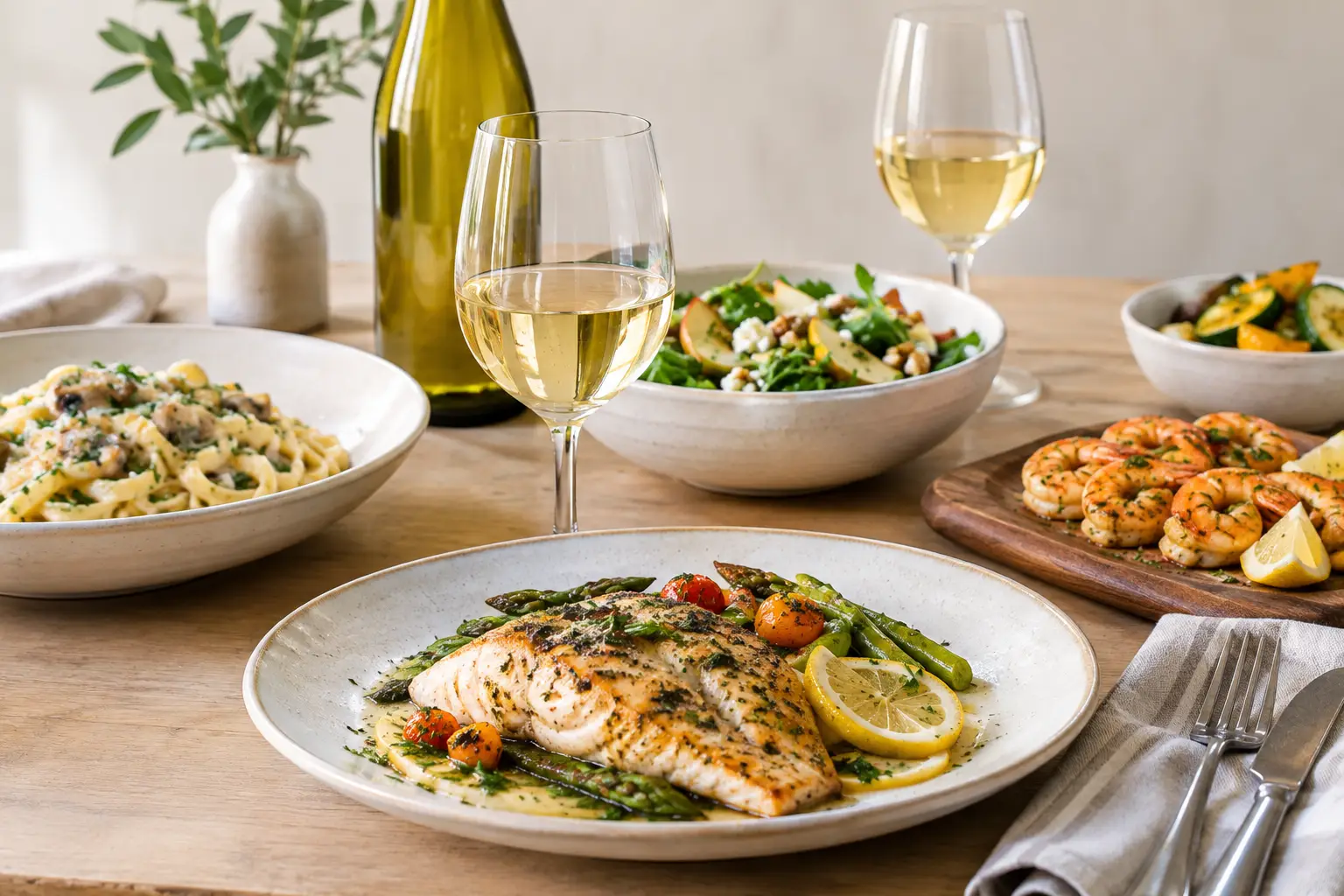
Some pairings are not wrong, but they require more thought. Delicate seafood, sushi, and lightly seasoned salads can make a full Cabernet feel out of proportion. If seafood is on the menu, choose a heartier preparation such as salmon with a mushroom sauce or grilled tuna with herbs, rather than a mild white fish.
Very spicy dishes can also be challenging. Chile heat intensifies the drying quality of tannins and may make the wine taste warmer than expected. If you are serving tacos, chili, or barbecue with serious heat, keep a milder Cabernet pairing on the table by choosing a less-spicy portion, adding creamy sides, or offering a separate wine option for the hottest dishes.
Dessert is another place to pause. A dry Cabernet is usually better before dessert than alongside a sweet cake or pie. If you want to continue the bottle after dinner, try a few cubes of aged cheese, toasted nuts, or dark chocolate that is not overly sweet.
Serving Cabernet So the Meal Comes Together
Temperature matters more than many people realize. Cabernet served too warm can seem heavy and alcoholic, while a bottle served too cold can feel closed and overly firm. A slightly cool room temperature is a helpful target. If the bottle has been sitting in a warm kitchen, 15 to 20 minutes in the refrigerator before opening can bring it into a more enjoyable range.
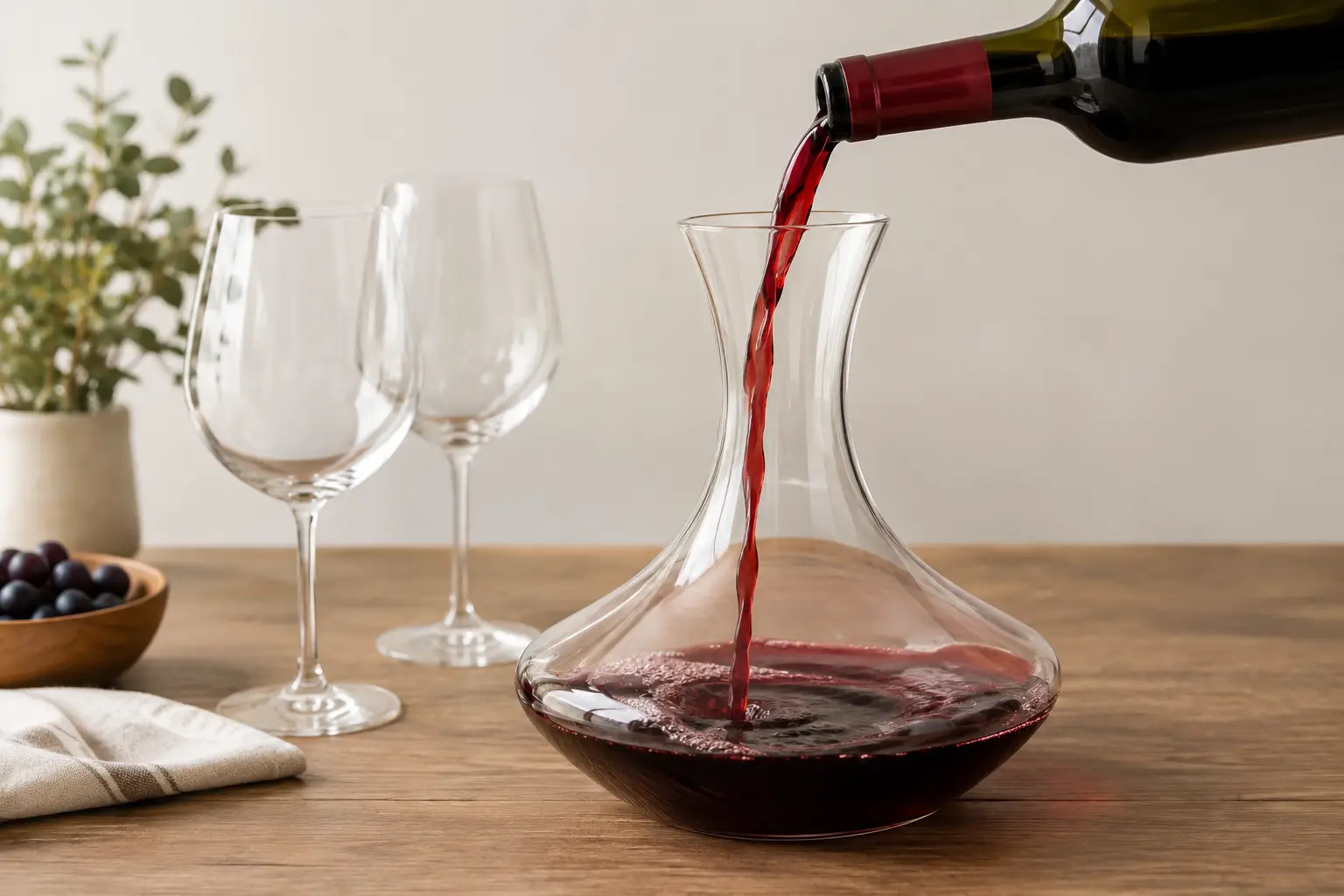
Give the wine a little air after opening, especially when serving it with dinner. You can pour a small taste first, then let the bottle sit while you finish cooking and set the table. There is no need to make it complicated. Time in the glass often helps Cabernet show more of its fruit and savory character.
Most of all, let the meal guide the occasion. At SKS Cellars, we believe a thoughtfully crafted Cabernet is made to be enjoyed with real food and shared with real people. Set out the dish you are excited to cook, pour at a comfortable pace, and let a good pairing become part of the evening rather than the whole point of it.