
Red And White Wine Glass Difference Explained
A weeknight dinner can feel more considered with one small choice: the glass. The red white wine glass difference is not a rule designed to make wine feel formal. It is simply about giving each style of wine the right amount of air, space, and temperature support so it can taste more like itself.
A large red wine glass and a smaller white wine glass can make a noticeable difference, especially when you are pouring a thoughtfully cooked meal for family or friends. Still, no one needs a cabinet full of specialty stemware to enjoy wine well. Understanding the basics helps you choose what works for your table, your wine, and the way you like to gather.
What Is the Red and White Wine Glass Difference?
The most visible difference is the bowl. Red wine glasses generally have a wider, larger bowl, while white wine glasses tend to have a smaller, narrower one. This shape is practical, not decorative.
Red wines often benefit from a little more contact with air after they are poured. The wider bowl creates room to swirl the wine gently, which can help its aromas open up. A glass with more space also lets you notice how the wine changes over the course of dinner. A balanced Cabernet Sauvignon, for example, may seem more expressive after a few minutes in the glass than it did with the first pour.
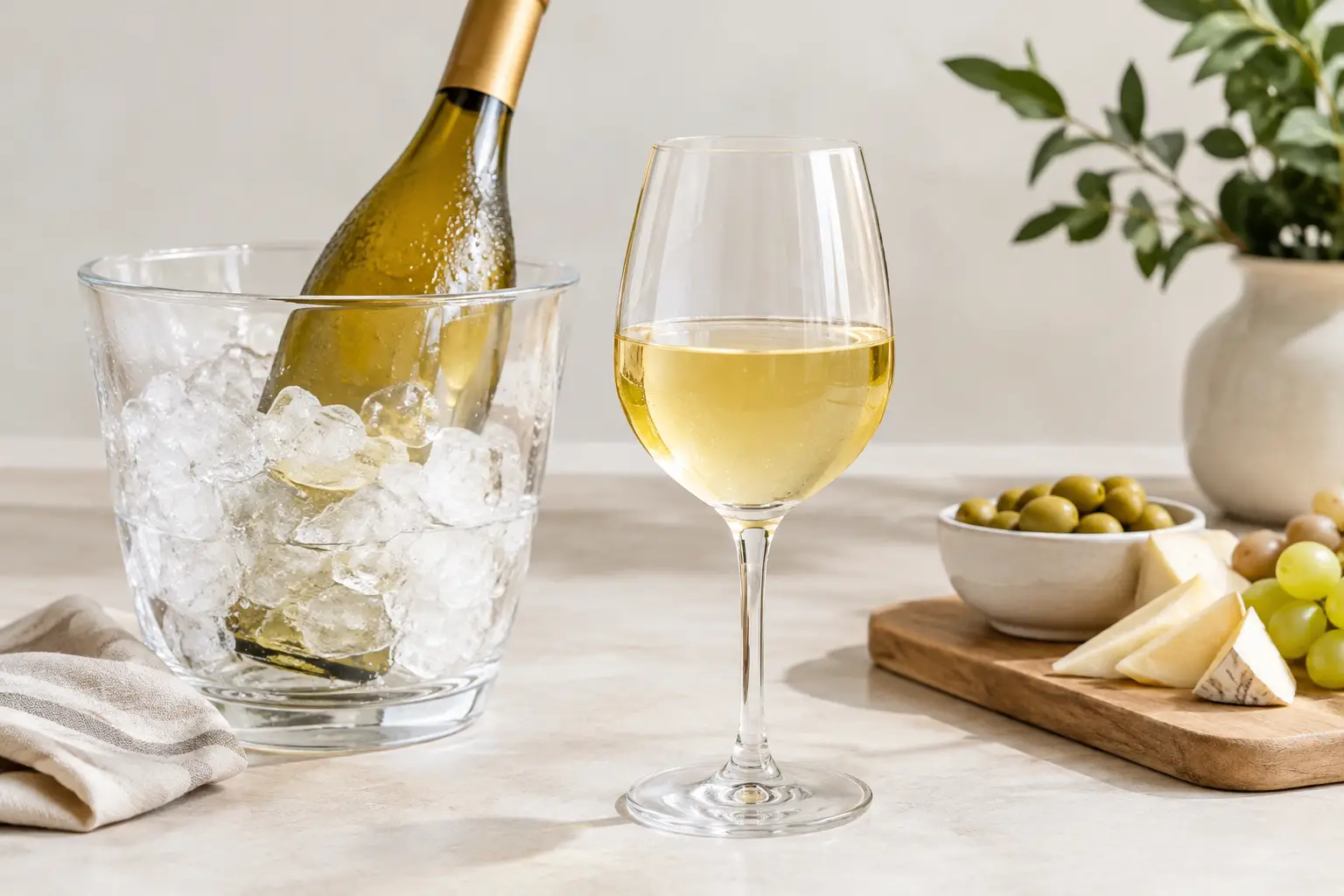
White wines are usually served cooler, and their fresher aromas can be easier to enjoy from a smaller bowl. The narrower opening helps keep those aromas gathered near the top of the glass while the smaller size encourages a modest pour that stays cool longer. For a Chardonnay shared alongside roast chicken, grilled fish, or a creamy pasta, that can help preserve the wine’s bright, food-friendly character from first sip to last.
Neither shape makes one kind of wine better than the other. Each is simply designed around how the wine is commonly served and enjoyed.
Why Red Wine Glasses Have a Larger Bowl
A red wine glass gives fuller-bodied and more layered wines room to breathe. When you swirl the glass, air meets the surface of the wine and releases aroma compounds that might otherwise remain quiet. You do not need a dramatic swirl. A gentle circle on the table or a small turn of the wrist is enough.
The size of the bowl also affects how the wine reaches your nose as you drink. Since much of what we perceive as flavor comes from aroma, a wider bowl can make a red wine seem more complete. This is particularly helpful with wines that have deeper fruit notes, savory character, or firmer structure.
That does not mean every red requires an oversized glass. A lighter red can be lovely in a medium-sized bowl, especially if you are serving it slightly cool. Large glasses are useful, but they should still feel comfortable in your hand and practical at the table. A glass that is difficult to wash, store, or use around a lively dinner may not be the right fit for your home.
A practical choice for Cabernet Sauvignon
For Cabernet Sauvignon, look for a glass with a generously sized bowl that narrows slightly at the rim. This shape leaves room for a small pour and a swirl while directing aromas upward. Fill it only about one-third of the way, or less. The open space is part of what makes the glass work.
A wide bowl is helpful, but a very thin, exaggerated rim or an enormous glass is not required. A well-made, medium-to-large red wine glass is often the most useful choice for everyday dinners and special occasions alike.
Why White Wine Glasses Are Smaller and Narrower
White wine responds differently to time and temperature. Because white wines are often at their most refreshing when cool, the smaller bowl helps limit how quickly the wine warms in your hand and in the room. The narrower opening also concentrates more delicate aromas, which can include citrus, orchard fruit, flowers, or a subtle creamy note depending on the wine.
A smaller glass does not mean a tiny glass. There should still be room for the wine to move when you give it a light swirl. The goal is to keep the pour fresh, not to restrict it.
For Chardonnay, a glass with a medium bowl is a comfortable middle ground. It offers more room than a very narrow white wine glass, allowing the wine’s texture and aroma to show, while still helping it remain cool. This is a useful example of why wine glass choices are guides, not rigid categories. A bright, lighter white may feel right in a slimmer bowl, while a rounder, more layered Chardonnay often appreciates a little more space.
The Stem Matters More Than It Seems
Traditional wine glasses have stems for a practical reason: holding the stem helps keep the warmth of your hand away from the bowl. This matters most for white wine, which can lose its freshness as it warms, but it is useful for reds as well.
Stemless glasses can still be a relaxed, sensible choice for casual meals, outdoor tables, or homes where durability matters. They are easy to handle and less likely to tip over. The trade-off is that the wine will warm more quickly, especially with white wine. If you choose stemless glasses, pour a little less at a time and refill as you go.
For a dinner party, stems also create a bit more space between place settings and make it easier to see the color of the wine. For a casual pizza night, a sturdy stemless glass may be exactly right. The best glass is one that supports the moment rather than distracting from it.
Can You Use One Glass for Red and White Wine?
Absolutely. A universal wine glass is one of the most useful items to keep at home. It usually has a medium-sized bowl, a gently tapered rim, and enough room to swirl without being too large for white wine. If you prefer fewer dishes and easier storage, this is the choice to make.
Using one style of glass also makes hosting easier. Everyone at the table can have the same glass, whether they choose red, white, or sparkling water with dinner. The meal feels welcoming and relaxed, and you can focus on the conversation instead of matching each pour to a specific shape.
If you are building a small collection, start with universal glasses. Add a larger red wine glass later if you often open Cabernet Sauvignon or other fuller reds. Add smaller white wine glasses if Chardonnay and crisp whites are regular guests at your table. There is no need to buy every variation at once.
A Few Simple Serving Habits Make the Biggest Difference
Glass shape helps, but serving habits usually matter more. Avoid filling a wine glass to the rim. A smaller pour leaves space for aroma and makes it easier to hold and swirl without spills. For most wines, a pour around one-third of the bowl is comfortable.
Keep white wine chilled, but not ice-cold. Very cold temperatures can mute aroma and flavor. If a white seems quiet at first, give it a few minutes in the glass before deciding how it tastes. Red wine should also avoid being too warm. In a warm Southern California home or on a patio, a lightly chilled red can be more balanced and easier to enjoy with food.
Clean glasses make a difference, too. Rinse away any lingering soap scent, and dry glasses with a clean, lint-free towel if you want a clear finish. Strong dishwasher residue or a cabinet smell can interfere with the wine’s aroma before the first sip.
Choose Glasses That Invite You to Pour
The red white wine glass difference is worth knowing because it can make a good bottle more enjoyable, not because anyone should feel tested at the table. A larger bowl gives many reds room to open. A smaller, narrower bowl helps white wines stay cool and fresh. A universal glass handles both beautifully when simplicity is the priority.
At SKS Cellars, we believe wine is made to be enjoyed with real meals and real people. Choose glasses that feel good in your hand, fit your table, and make you want to pour another thoughtful glass when dinner is ready.