
The Red and White Wine Difference Explained
A wine list can make red and white sound like two entirely separate categories, but the red and white wine difference begins with one surprisingly simple decision: whether the juice spends time with the grape skins. That choice shapes color, texture, aroma, food pairings, and even the way a wine feels at the table.
Knowing the basics does not mean you need to memorize every grape or tasting term. It simply gives you a better way to choose a bottle for the meal, the weather, and the people sharing it.
The Main Difference Between Red and White Wine
Red wine is generally made by fermenting grape juice with the grape skins. The skins provide the deep color, along with tannin and many of the savory, fruit-forward flavors people associate with red wine. Cabernet Sauvignon, Syrah, Pinot Noir, Merlot, and Zinfandel are familiar examples, though each can range from light and bright to dark and structured.
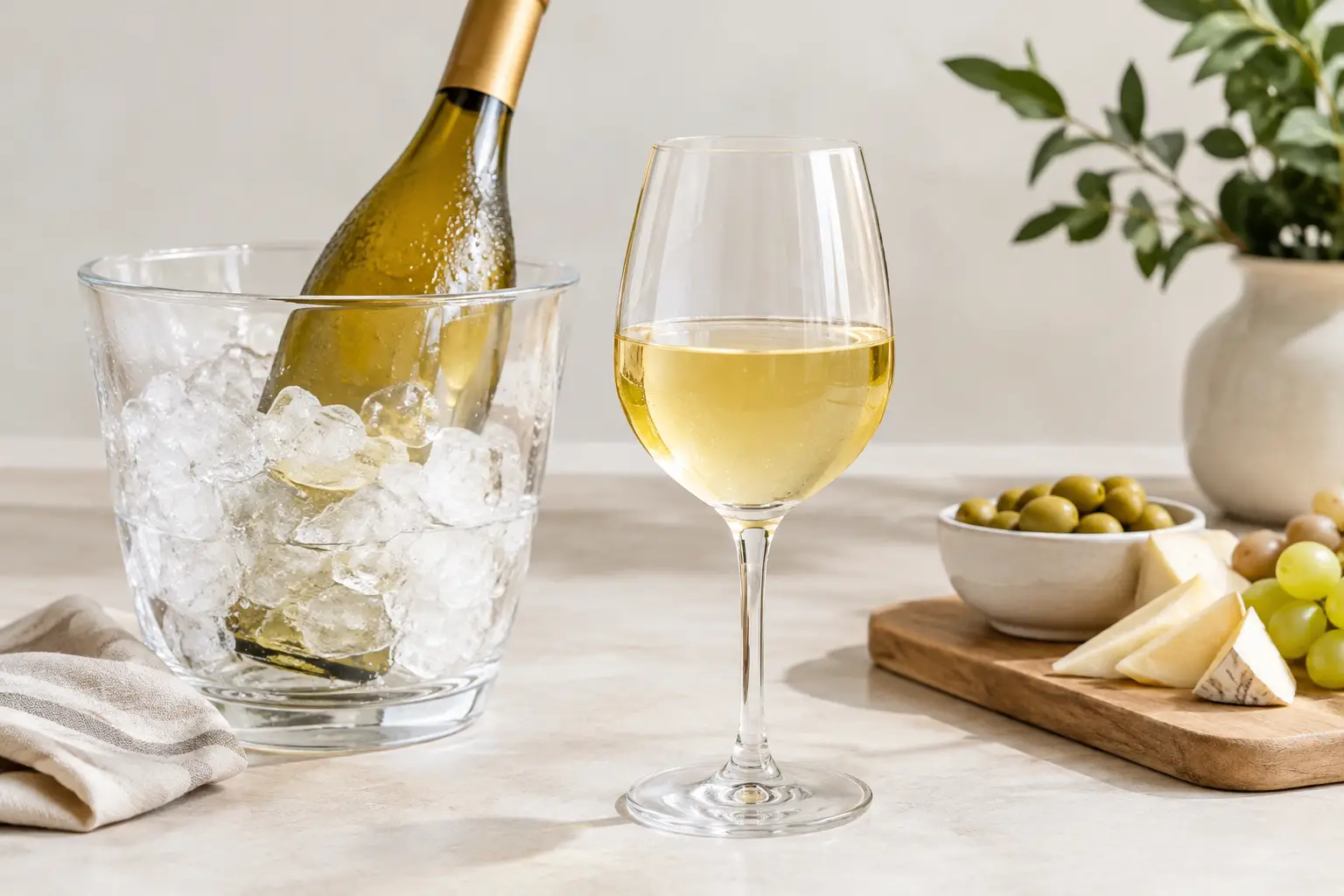
White wine is usually made by pressing grapes soon after harvest and fermenting the clear juice without the skins. That is why white wines tend to be pale gold, straw-colored, or lightly green-hued, with a fresher, more delicate texture. Chardonnay, Sauvignon Blanc, Pinot Grigio, Riesling, and Chenin Blanc all follow this general approach.
The grape’s skin color is not the whole story. Many white wines are made from light-skinned grapes, but a white wine can also be made from red grapes if the juice is separated from the skins quickly enough. Blanc de Noirs sparkling wine is a well-known example. Winemaking matters as much as the fruit itself.
Why Grape Skins Change So Much
The red and white wine difference is easiest to taste in texture. Red wine has tannin, a natural compound found in grape skins, seeds, and stems. Tannin creates the drying sensation that can make your mouth feel slightly grippy after a sip of a young Cabernet or Syrah. It also gives many reds the structure to develop beautifully over time.
White wines have much less tannin because they are made with little or no skin contact. Their structure comes more from acidity, which creates a lively, mouthwatering finish. A crisp Sauvignon Blanc can feel refreshing because its acidity keeps flavors bright. A fuller Chardonnay may feel rounder and softer, especially if it has spent time in oak or undergone a winemaking process that softens its naturally sharp edges.
Neither structure is better. A silky red can be exactly right beside grilled lamb, while a bright white can make a simple plate of seafood feel more complete. The best choice depends on what you are eating and what kind of experience you want from the bottle.
Flavor: Not Just Dark Fruit Versus Citrus
Red wines often bring flavors such as cherry, raspberry, blackberry, plum, black pepper, dried herbs, cocoa, leather, or warm baking spice. Lighter reds like Pinot Noir may show more red fruit and earthiness. A Syrah can offer dark berry fruit, pepper, and a smooth, savory depth that feels especially welcome with a grilled dinner.
White wines commonly suggest lemon, lime, apple, pear, peach, melon, pineapple, white flowers, or fresh herbs. But those descriptions are only a starting point. A mineral-driven Sauvignon Blanc may taste zesty and clean, while an oak-aged Chardonnay can offer notes reminiscent of baked apple, vanilla, and toast.
Sweetness is a separate question from color. Most red and white table wines are dry, meaning they do not taste sugary. Still, wine can taste ripe and generous without being sweet. A bold red with blackberry flavor may be fully dry, just as a rich Chardonnay can feel creamy without containing noticeable residual sugar.
Body and Weight Matter at the Table
A useful way to compare wine is by body, or how light or full it feels in your mouth. Think of the difference between skim milk and whole milk. Wine does not literally have that texture, but the comparison helps explain why some bottles seem airy and others feel broader and more substantial.
Light-bodied reds include many Pinot Noirs and Beaujolais. Medium- to full-bodied reds include Merlot, Cabernet Sauvignon, and Syrah. On the white side, Pinot Grigio and many Sauvignon Blancs often feel light-bodied, while Chardonnay can range from lean and crisp to rich and full.
This is where rules about red with meat and white with fish become less useful. A delicate fish with a buttery sauce may work beautifully with a fuller white. Salmon can handle a lighter red, particularly one served with a slight chill. Spicy food may be more enjoyable with a bright, aromatic white than a highly tannic red, since tannin can make heat feel more intense.
How to Pair Red and White Wine With Food
Pairing does not need to be formal. Start by matching a wine’s weight with the food’s weight, then notice whether the dish is rich, acidic, spicy, smoky, or sweet.
Red wines are often at home with grilled steak, burgers, lamb, mushrooms, barbecue, tomato-based pasta, and aged cheeses. Their tannin and depth can stand up to char, fat, and savory flavors. A balanced Syrah is a natural companion for grilled meats, but it can be equally inviting with roasted vegetables, sausage, or a well-seasoned pizza.
White wines shine with seafood, chicken, salads, creamy pastas, fresh cheeses, and dishes that lean on citrus or herbs. Their acidity can cut through richness and refresh the palate between bites. For a casual gathering, a versatile white is often an easy opening bottle because it works with appetizers before the meal settles into a main course.
Sauce is often more important than the protein. Chicken in a lemon-herb preparation may call for a crisp white, while chicken with a deeply roasted mushroom sauce can be wonderful with Pinot Noir. When the food has strong flavor, choose a wine with enough character to stay present without overpowering the plate.
Temperature Can Make or Break the Bottle
Serving temperature is one of the simplest ways to enjoy wine more fully. White wine is usually best chilled, but not frozen. If it is too cold, aromas and flavors become harder to notice. Take a white wine from the refrigerator about 10 to 15 minutes before pouring if it seems overly icy.
Red wine is often served too warm, especially in a warm California home or during an outdoor dinner. Room temperature once meant a cool European cellar, not a 72-degree living room. Most reds are more balanced when served slightly below room temperature, around 55 to 65 degrees depending on their body. A light red can take 20 minutes in the refrigerator before dinner, while a fuller red may only need a brief chill.
If a red tastes hot, flat, or overly alcoholic, cool it down a little. If a white tastes muted, let it warm gently in the glass. Small adjustments can bring a wine back into balance.
What About Rosé, Sparkling, and Orange Wine?
Wine does not always fit neatly into red or white. Rosé is generally made from red grapes with only a short period of skin contact, which gives it its pink color and a style that can range from crisp and dry to fruitier and fuller.
Sparkling wine may be white, rosé, or even red, depending on the grapes and method used. Its bubbles make it especially food-friendly because they refresh the palate. Orange wine, despite its name, is not made from oranges. It is white wine made with extended skin contact, giving it deeper color, more texture, and sometimes a gentle tannic grip.
These styles are a good reminder that color alone cannot tell you everything about a bottle. Curiosity is part of the pleasure.
Choosing the Right Bottle for the Moment
For a warm afternoon, a seafood dinner, or a table full of varied appetizers, reach for a bright white or a chilled rosé. For a cozy meal, a grilled dish, or a dinner that calls for something more savory, a balanced red can set the tone. If you are bringing wine to a gathering and do not know the menu, choosing one approachable red and one fresh white is a thoughtful way to cover the table.
At SKS Cellars, the goal is not to make wine feel complicated. It is to pour bottles that feel balanced, easy to enjoy, and worth sharing. Trust your own palate, pay attention to the food in front of you, and let the next bottle be an invitation to linger a little longer.