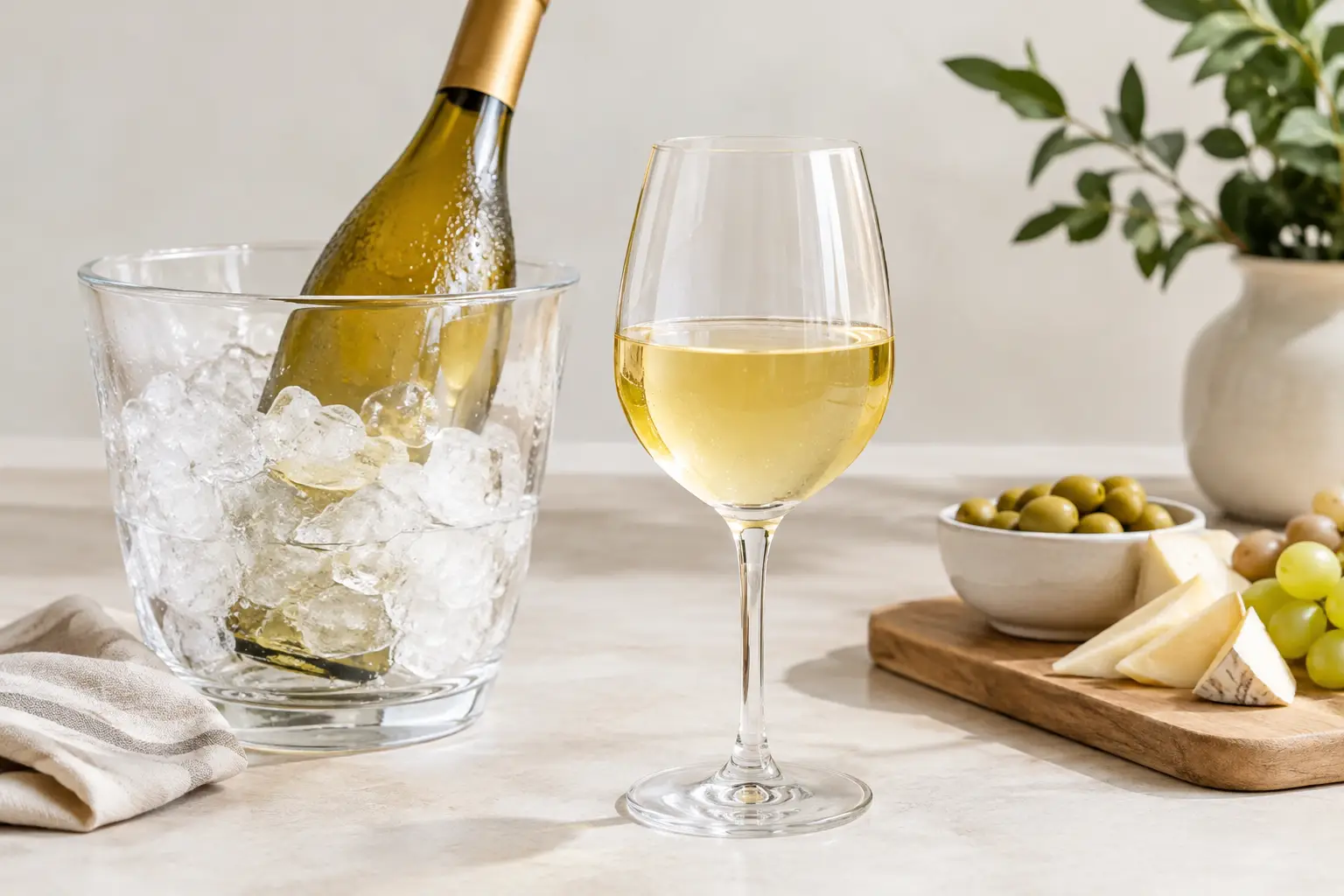

Camarillo Wine Events for Memorable Gatherings
A good wine event does not need a crowded schedule or a long list of bottles to feel special. The best Camarillo wine events make room for conversation, a relaxed pace, and the simple pleasure of sharing something thoughtfully made. Whether you are planning a tasting-room visit, meeting friends for a seasonal release, or hosting dinner at home, a little preparation helps everyone settle in and enjoy the moment.
For many Ventura County locals, a winery event is less about knowing the right wine terms and more about finding a welcoming place to spend an afternoon. That is a good instinct. Wine is meant to be enjoyed, especially when it has a place at the table alongside food, family, and friends.
What Makes Camarillo Wine Events Worth Planning Around
The most rewarding events give guests a reason to slow down. A tasting can introduce a new bottle for your dinner rotation. A release gathering can become an easy outing with a partner or a small group of friends. A food-focused event can offer practical ideas for pairing a familiar wine with a meal you already like to cook.
Camarillo is also well positioned for an afternoon visit without turning the day into a major trip. Guests come from Oxnard, Ventura, Thousand Oaks, Moorpark, Simi Valley, Ojai, greater Los Angeles, and Santa Barbara County for a tasting or event that feels personal and manageable. The appeal is not a packed itinerary. It is having time to taste, ask questions, and leave with a bottle you can picture opening at home.
The right event depends on what you want from the day. Couples may prefer a seated tasting with time to compare a few wines. A group of friends may enjoy a casual event where conversation comes first. Home cooks often get the most value from a pairing-focused gathering because they leave with a clearer sense of what to serve with Cabernet Sauvignon, Chardonnay, or another bottle they enjoy.
How to Choose a Wine Event That Fits Your Plans
Before reserving a spot, think about the experience you actually want. An event with a focused tasting may suit someone who wants to learn more about a winery’s current releases. A relaxed open-house style gathering may be better for reconnecting with friends. Neither is better. The best choice is the one that matches your group, your schedule, and your comfort level.
Check the current event details before you go. Reservations, timing, guest policies, and featured wines can change, especially around releases and holidays. If you are bringing a group, confirm how many people can be accommodated together rather than assuming a walk-in visit will work. A reservation is also a considerate choice when you want the tasting-room team to have time to guide your experience.
It helps to give yourself a little breathing room. Arriving on time lets you begin without rushing, and leaving space after the event keeps the outing enjoyable if you decide to continue the conversation over dinner nearby or at home. If you plan to taste, arrange a responsible ride in advance. That simple step makes it easier for everyone to relax.
Come Curious, Not Prepared to Perform
You do not need a wine vocabulary to enjoy a tasting. Start with what you notice. Does the wine feel bright and fresh? Smooth and balanced? Would you rather drink it with grilled chicken, a pasta dish, or a simple cheese board? Those are useful observations, and they lead to better recommendations than trying to identify every flavor in the glass.
A few honest questions can make a visit more meaningful: Which current wine is especially easy to share over dinner? What food would the team serve with it? Is there a bottle that works well as a gift? How should it be stored until your next gathering? Tasting-room conversations are most helpful when they connect the wine to the way you live and eat.
There is also no need to rush toward the most familiar label or the biggest red in the lineup. Take a moment with each pour. Taste, talk, and notice what you would genuinely want to open again. A bottle is more likely to become a favorite when it suits your table, not when it sounds impressive on paper.
Turn a Tasting Into a Better Dinner at Home
The value of a wine event often shows up later, when you open a bottle with a meal. Instead of treating food pairing as a set of rigid rules, use it as a guide for creating balance. Wines with freshness can be especially enjoyable with dishes that have brightness of their own, such as roasted vegetables with lemon, seafood, salads, or creamy pastas. A balanced red can feel right at home with grilled meats, burgers, mushroom dishes, tomato-based pasta, or a well-seasoned weeknight meal.
The preparation does not have to be elaborate. One good bottle, a dish you know how to make, and people you enjoy are enough. If you are hosting, choose a menu that allows you to spend time with guests rather than managing the stove all evening. A roast chicken, a baked pasta, tacos set out family-style, or a board of cheeses, bread, fruit, and savory snacks can all create an easy setting for wine.
Temperature and timing make a difference, too. Chill white wine ahead of time so it is refreshing but not icy. If a red has been sitting somewhere warm, give it a brief rest in a cooler spot before serving. Open the bottle after guests arrive if you want the shared ritual, or pour a first glass while you finish dinner if that better suits the evening. There is no single correct way to do it.
Hosting Your Own Camarillo Wine Event
Not every memorable wine event happens in a tasting room. A small gathering at home can carry the same spirit when it is planned around comfort rather than pressure. Invite a manageable number of people, select a few bottles with different moments in mind, and serve food that encourages people to linger.
If you are choosing wines for a mixed group, variety matters more than quantity. A Chardonnay can offer a welcoming option for guests who enjoy white wine with appetizers or lighter dishes, while Cabernet Sauvignon can anchor a heartier dinner. Add water, nonalcoholic options, and substantial food so every guest can participate comfortably. Responsible hosting means making the table feel inclusive, not making drinking the focus.
For a simple tasting at home, pour small servings and introduce one bottle at a time. You might begin with a white wine alongside bread, cheese, and seasonal produce, then move to a red with the main course. Encourage guests to share what they like without turning the evening into a test. Someone may notice a wine feels smooth; another may say it makes them want to cook a particular meal. Both responses belong at the table.
A useful host checklist includes four basics:
- Choose food that can be prepared mostly before guests arrive.
- Set out water and nonalcoholic drinks from the start.
- Use modest pours so guests can taste at a comfortable pace.
- Make a transportation plan before the evening begins.
These details are not formalities. They are what allow people to stay present with one another.
Make the Most of Winery Events Throughout the Year
Seasonal events are a natural way to keep your wine routine fresh. A spring tasting may inspire lighter meals and outdoor dinners. Fall and winter gatherings often make people think about roasting, braising, holiday tables, and gifts for hosts. The best reason to attend, though, is not the season itself. It is the chance to reconnect with a bottle, a meal, or a person you have been meaning to see.
At SKS Cellars, the focus is on thoughtfully crafted, approachable wines that are made to be enjoyed with food and shared with real people. For guests who return for tastings, releases, or wine club gatherings, that direct connection can turn a familiar bottle into part of a family dinner, a birthday meal, or a favorite weekend tradition.
If you are considering an upcoming event, keep your expectations simple: taste at your own pace, ask the questions that matter to you, and bring home wine you are excited to serve. The best Camarillo wine events do not end when the last glass is poured. They continue when a bottle is opened later, dinner is on the table, and there is someone nearby to share it with.