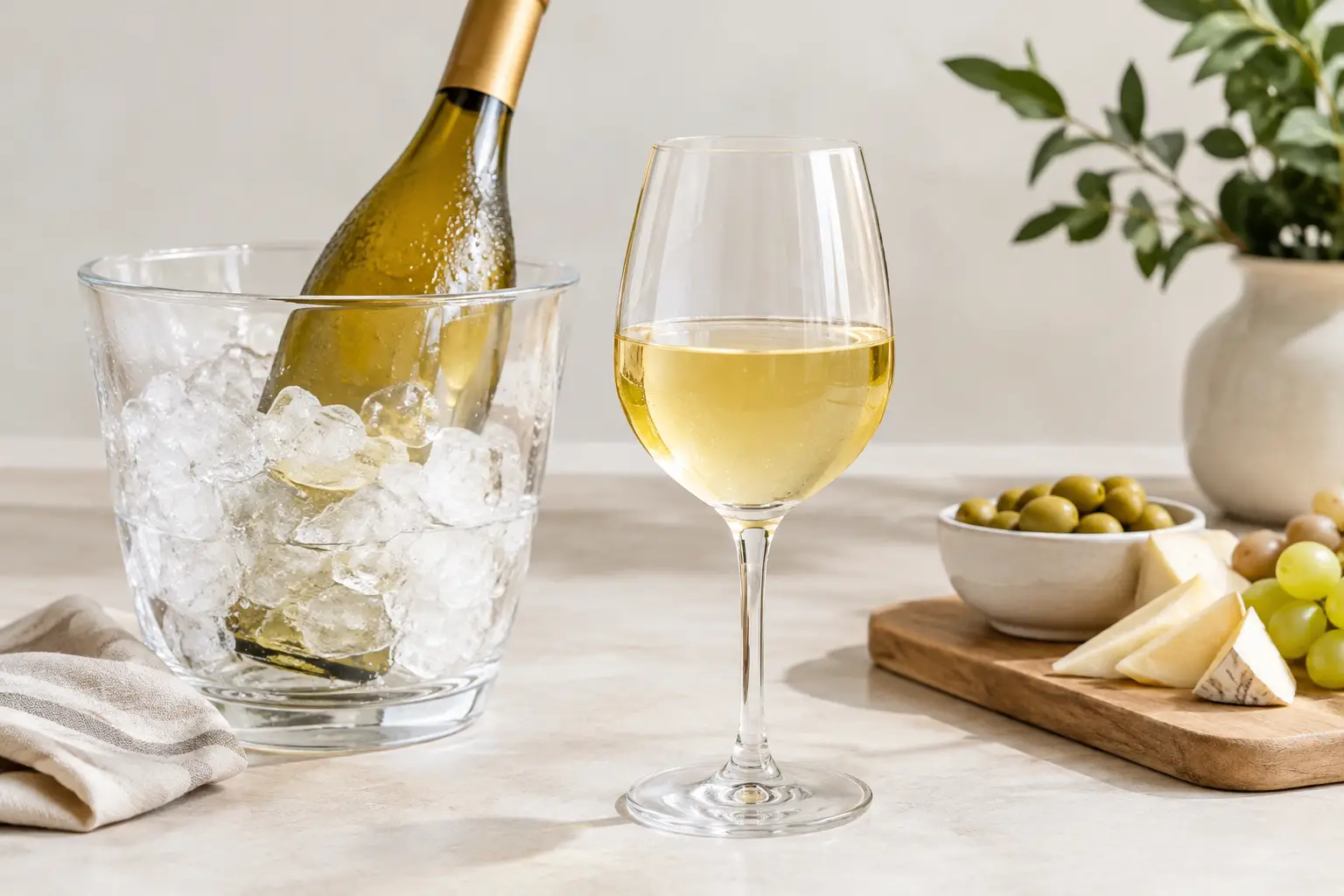

Why Small Production California Wine Feels Personal
A bottle of small production California wine can make an ordinary dinner feel a little more considered. Not because it needs a special occasion or a long explanation, but because someone made deliberate choices about what belongs in the bottle and how it should taste alongside food. That sense of care is often easy to recognize: the wine feels balanced, inviting, and ready to be shared.
Small production does not automatically mean rare, expensive, or difficult to understand. It simply points to a more personal scale. For many wine drinkers, that scale creates a meaningful difference – a closer connection to the producer, a chance to follow releases over time, and wines made with a clear point of view rather than a need to please every possible palate.
What Small Production Actually Means
There is no single legal definition for “small production.” Different wineries use the term in different ways, and a modest production for one producer may be substantial for another. The useful question is not whether a bottle meets an arbitrary number. It is whether the winery is focused on thoughtful decisions, consistency, and a direct relationship with the people who enjoy its wines.
At a smaller scale, a winery can often stay closely involved with each wine from start to finish. That may shape decisions about style, timing, blending, and the final character of a release. The result is not necessarily a bigger or bolder wine. Often, it is a wine with a clearer sense of balance.
That distinction matters at the table. A Cabernet Sauvignon does not need to overwhelm a grilled steak to be memorable, and Chardonnay does not need to feel heavy to hold its place beside roast chicken, seafood, or a creamy pasta. The most enjoyable bottles tend to meet the meal halfway.
Why Small Production California Wine Connects Differently
California is home to wines in nearly every style, from familiar everyday bottles to limited releases made by independent producers. Small wineries bring a welcome degree of variety to that picture. Their wines may reflect a focused house style, an evolving collection, or a hands-on approach that is easier to see when you visit, ask questions, or receive updates directly from the winery.
For many people, the value is personal rather than technical. You may remember the bottle you opened for a birthday dinner, the tasting that introduced you to a new favorite, or the wine you brought to a friend’s home because you knew it would work with the menu. Those are the moments that turn wine from a purchase into part of a shared routine.
A direct relationship also makes choosing wine less intimidating. Instead of sorting through a wall of labels alone, you can learn about a producer’s current releases, ask for pairing ideas, and return to wines you have genuinely enjoyed. That kind of familiarity is especially useful for hosts who want a dependable bottle without making the evening feel overly formal.
Personal Does Not Have to Mean Precious
There is a common assumption that small-production wine should be saved, analyzed, or treated with extra caution. In practice, a thoughtfully crafted wine can be both special and easy to enjoy. The point is not to put the bottle on a pedestal. It is to open it when good food and good company are already on the plan.
A relaxed weeknight dinner counts. So does a family gathering, a holiday meal, or a simple gift for someone who enjoys trying wines from smaller producers. The best occasion is usually the one where the bottle has a place at the table.
How to Choose a Small-Production Bottle You Will Enjoy
Start with your meal and your own preferences, not with a complicated set of wine rules. If you enjoy reds with enough structure for grilled meats, burgers, or mushroom dishes, a balanced Cabernet Sauvignon can be a natural choice. If your menu leans toward chicken, seafood, vegetables, or dishes with a creamy element, Chardonnay may be a comfortable place to begin.
Then consider the style a winery is known for. Clear, approachable descriptions are more helpful than elaborate language. Look for terms such as bright, fresh, smooth, layered, and food-friendly, but read them in context. “Smooth” may be ideal for someone looking for an easygoing red, while a person who prefers more pronounced acidity may be drawn to a wine described as lively or fresh.
It also helps to think about who will be around the table. If you are serving a group with different levels of wine experience, balance is often the safest guide. A well-balanced wine has enough character to interest an enthusiastic wine drinker without asking a newer drinker to work too hard for the pleasure of it.
There is no need to chase a perfect pairing. Food and wine are flexible, and personal taste matters. A favorite red may be exactly right with pizza, even if a traditional guide suggests something else. The goal is not to pass a test. It is to make dinner more enjoyable.
The Tasting Room Advantage
For Southern California wine drinkers, visiting a tasting room can be one of the easiest ways to understand a small producer’s approach. A tasting gives you the chance to compare wines side by side, notice which styles suit your palate, and hear practical suggestions for meals, entertaining, or gifting.
At SKS Cellars in Camarillo, that experience is designed to feel welcoming rather than formal. Guests can spend time with thoughtfully crafted red and white wines and get a better sense of what they might enjoy at home. A tasting reservation is especially helpful when you are looking for a relaxed outing with a partner, visiting friends, or planning ahead for a dinner party.
The value of a tasting is not just finding a bottle you like in the moment. It is learning your own preferences. Perhaps you discover that you prefer a fresher white with dinner, or that a balanced Cabernet is the red you reach for most often. Those small discoveries make future wine choices easier and more satisfying.
Questions Worth Asking
A good winery conversation does not require technical vocabulary. Ask what the team would pour with your menu, which wines are especially easy to share, or what they recommend as a gift. If you are choosing for a gathering, mention the food, the number of guests, and whether the group tends to prefer red or white.
You can also ask how a wine changes with food. Some wines show more fruit on their own and become more savory beside a meal. Others feel brighter when served with richer dishes. These are useful details because they help you choose a bottle for the way you actually plan to enjoy it.
A Better Way to Build Your Wine Routine
Small production wine can fit naturally into a regular wine routine. Rather than buying a different unfamiliar bottle every time, consider keeping track of the styles and producers that have worked well for you. A wine club or subscription can be useful for people who enjoy a steady connection to a winery, but it should fit your pace, your budget, and how often you host or cook at home.
For some households, a few dependable bottles on hand make spontaneous meals easier. For others, wine is more occasional: a birthday, a host gift, a Sunday supper, or an evening when friends linger after dessert. Neither approach is more correct. The advantage of buying directly from a small producer is having a trusted source when the right moment comes along.
If you are giving wine as a gift, choose with the recipient’s real life in mind. A food-friendly red or white is often more thoughtful than something chosen only for an impressive label. A gift certificate can also be a considerate option when you want the recipient to choose their own tasting experience or favorite bottle.
Let the Bottle Earn Its Place at Dinner
The appeal of small production California wine is not a promise of perfection. Every palate is different, every menu changes, and not every bottle will be the right fit for every person. Its lasting appeal is the opportunity to buy with more intention and drink with more connection.
Choose wines that feel balanced, pour them with food you are excited to make, and share them with people who make the evening worth remembering. That is more than enough reason to open a good bottle.