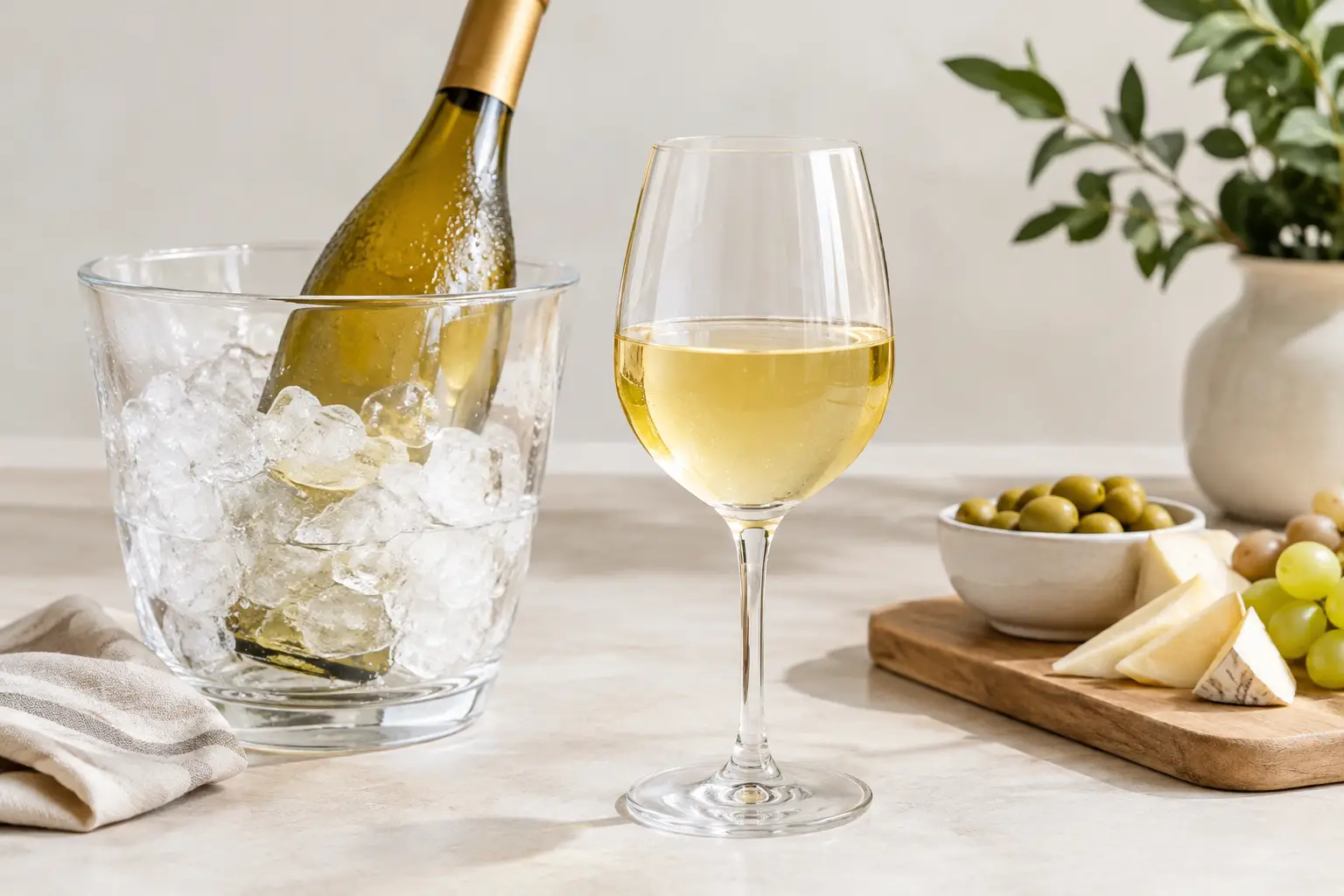

Wine Tasting That Feels Easy and Enjoyable
The best wine tasting does not begin with a long list of rules. It begins with a poured glass, a little curiosity, and enough time to notice what is there. Whether you are sitting down for a tasting in Camarillo, opening a bottle before dinner, or choosing wine for friends, the goal is the same: find what you enjoy and give the wine a chance to show its character.
Wine can sound complicated when every aroma and flavor is treated like a test. It is not. You do not need to identify every fruit, spice, or texture in a glass to have a worthwhile experience. A thoughtful tasting is simply a way to slow down, pay attention, and understand why one wine feels especially right with a meal, a moment, or the people around your table.
Wine Tasting Starts With Your Own Senses
Before you sip, take a moment to look at the wine. Notice its color and brightness, but do not worry about drawing conclusions from what you see. A white wine may appear pale gold or deeper yellow. A red may range from bright ruby to a darker garnet shade. The visual step is not about proving expertise. It helps you pause and settle into the experience.
Then give the glass a gentle swirl and smell it. You may notice fruit, flowers, herbs, baking spices, or something that simply reminds you of a place or food you know. There is no single correct answer. If a wine smells like fresh apple to you and someone else notices citrus, both impressions can be useful.
Take a small sip and let it move across your palate before swallowing. Think less about naming every flavor and more about the wine’s overall shape. Does it feel bright and fresh? Smooth and round? Light on its feet or more layered? Does the finish disappear quickly, or does a pleasant flavor stay with you for a moment?
Those straightforward observations tell you more about your preferences than a memorized vocabulary ever could. Over time, you may begin to recognize patterns. Perhaps you are drawn to whites with fresh acidity alongside seafood or roasted chicken. Maybe you enjoy a balanced Cabernet Sauvignon when dinner includes grilled meat, mushrooms, or a simple weeknight burger. The point is not to build a perfect tasting note. It is to learn what makes a wine easy for you to enjoy.
Give Each Pour a Little Time
Wine changes as it sits in the glass. The first smell may be quiet, especially if a bottle has just been opened. A few minutes can bring more expression, and a second sip may feel different from the first.
This is especially helpful with red wine. Serving a red too warm can make it seem heavier or less fresh than it really is. A short rest at a cooler room temperature often helps its balance come through. White wines benefit from being chilled, but if they are very cold, their aromas and flavors can seem muted. Letting a glass warm slightly in your hand can reveal more of what is there.
There is no need to rush toward a verdict. The wine in your glass is allowed to evolve, and so is your impression of it.
How to Taste Wine Without Overthinking It
A simple three-question approach keeps a tasting relaxed and useful. First, what do you notice? Second, how does the wine feel? Third, what would you enjoy eating with it?
The first question is about flavor and aroma. You might notice ripe fruit, citrus, a savory note, or a gentle hint of oak. The second is about texture and balance. Some wines feel crisp and lively, while others feel softer, fuller, or more structured. The third question brings the experience back where it belongs: at the table.
Food often makes wine easier to understand. A bright white can feel even fresher with salty snacks, grilled fish, or a creamy pasta. A smooth, balanced red may become more generous beside roast chicken, pizza, a cheese board, or a favorite family recipe. The pairing does not need to be formal. It only needs to create a combination you want to take another bite and sip of.
If a wine tastes sharper, richer, or more tannic than expected on its own, try it with food before deciding it is not for you. Tannins are the drying sensation some red wines leave on your gums, similar to strong brewed tea. With a meal that has protein or a little richness, they can feel softer and more integrated.
That is one reason food-friendly wine is so valuable. A bottle does not have to compete for attention. It can bring freshness to a rich dish, add depth to a simple meal, and make dinner feel more complete without taking over the table.
What to Say When You Are Tasting With Others
Wine tasting is more enjoyable when it feels like a conversation rather than a quiz. Instead of asking someone to guess a flavor, try asking what the wine reminds them of or whether they would pour it with dinner. These questions leave room for personal taste.
You might hear one person say a Chardonnay feels bright and clean, while another says it would be good with buttery popcorn. Both comments can describe a real part of the experience. One is about the wine’s character; the other is about its place at the table.
When hosting, offer a small selection rather than trying to pour too many wines. Two or three bottles are enough to create contrast without tiring everyone’s palate. Serve water, have something simple to eat, and pour modestly. A relaxed pace gives guests time to enjoy the wine and one another.
A Better Wine Tasting at Home
You do not need special equipment to create a good tasting at home. Clean, clear glasses help, and it is useful to avoid heavily scented candles, cooking aromas, or perfume while you are trying to smell the wine. Beyond that, keep it comfortable.
Choose wines with a reason behind them. You might open a white and a red to see how each works with the same meal. Or taste two bottles on different evenings with similar dishes and compare your impressions. The best learning often happens naturally, through repeat experiences rather than a single formal tasting.
It also helps to write down just a few words after a bottle. Not a full review, only what stood out: bright, smooth, savory, easy with pasta, nice for a birthday dinner. Those notes become a personal guide when you are choosing wine for future meals, gifts, or gatherings.
For a casual dinner party, consider the menu first. A lighter dish may call for a fresh, lively wine, while a more savory or grilled meal can welcome a red with a bit more structure. Yet pairing is not a strict set of rules. If your guests love a particular wine, serving it with food they enjoy is usually the better choice.
Visiting a Tasting Room With Confidence
A tasting room is a chance to ask questions, try wines side by side, and get a clearer sense of what you enjoy. You do not need prior knowledge to belong there. Let the host know what you typically drink, what you are serving for dinner, or whether you prefer something fresh, smooth, or more layered. That is often more helpful than trying to use technical terms.
At SKS Cellars, the tasting experience is designed around approachable, thoughtfully crafted wines that are made to be enjoyed with food and shared with people you care about. If you are planning a visit, making a reservation can help set aside time for a more relaxed experience, especially when you are bringing friends or celebrating a special occasion.
Try not to judge a wine only by the first sip. Return to the glass after a few minutes, take a bite of food if it is available, and notice what changes. If something does not suit your taste, that is useful information too. A good tasting should help you leave with confidence, not pressure.
The most memorable bottle is rarely the one with the most complicated description. It is the one that finds its place beside a good meal, an unhurried conversation, and a table full of people worth sharing it with.