
Holiday Wine Checklist for a Relaxed Table
The holidays have a way of turning a simple dinner into a moving target. One guest brings a rich appetizer, another is making a family recipe, and suddenly the table needs to work for roast turkey, creamy potatoes, bright salads, and dessert. A thoughtful holiday wine checklist keeps the decision simple: choose a small range of balanced, food-friendly wines, plan for how people will gather, and leave room to enjoy the evening rather than manage it.
The goal is not to build an impressive lineup or find one bottle that pleases every palate. It is to have a few dependable choices that feel right at the table, whether you are hosting a full holiday meal, bringing a bottle to a neighbor, or opening something special after everyone has gone home.
Start Your Holiday Wine Checklist With the Meal
Before choosing bottles, look at the food in front of you. Holiday meals often bring together rich, savory, sweet, and fresh flavors on one plate. That variety is exactly why balanced wine is such a welcome guest. A wine with freshness and restraint can sit comfortably beside food instead of competing for attention.
For a meal built around turkey, chicken, pork, or roasted vegetables, Chardonnay is a natural place to start. Its familiar, approachable character works especially well with dishes that include butter, herbs, cream, squash, or a golden, crisped edge from the oven. The best fit depends on the preparation. A lighter, lemony vegetable side may call for a brighter white, while a rich casserole can welcome a more layered style.
Cabernet Sauvignon is well suited to beef, lamb, mushrooms, deeply roasted vegetables, and dishes with a savory finish. It can also be a satisfying red for a long dinner, particularly when there are hearty sauces, gravy, or a cheese board still on the table. If the meal is more delicate, though, a fuller red may feel like too much. That is not a problem to solve with rules. It is a reason to offer both a red and a white.
Do not overlook the smaller parts of the meal. A bright white can be especially useful with appetizers, salty snacks, seafood, and vegetable-forward starters. A red may come into its own with the main course and linger nicely with a plate of aged cheeses. Thinking in moments, rather than just courses, makes choosing wine much easier.
Choose for Your Guests, Not Just the Menu
A holiday table rarely includes one kind of wine drinker. Some guests know exactly what they enjoy. Others simply want a glass that feels easy to share with dinner. Hosting well means offering choice without making wine the main event.
A practical starting point is one white and one red for a smaller gathering. For a larger group or a meal that runs into the evening, add a second white or red only if it gives people a genuinely different option. You may want a fresh white for early appetizers and Chardonnay for dinner, or a lighter red alongside Cabernet Sauvignon for guests who prefer a softer style.
Quantity depends on the length of the gathering, the number of adults 21 and over, what else is being served, and whether guests are bringing wine of their own. There is no need to overstock. A few well-chosen bottles, served with plenty of water and satisfying food, create a more comfortable evening than a crowded counter full of unopened wine.
It also helps to include nonalcoholic drinks that feel considered, not like an afterthought. Sparkling water, a seasonal punch without alcohol, or a good iced tea gives every guest something pleasant to enjoy. Hospitality is about making the whole table feel welcome.
The Holiday Wine Checklist for Shopping
When it is time to shop, use this short checklist to keep the choices focused:
- Plan one white and one red that can carry the meal.
- Match at least one bottle to the main dish, not just the appetizers.
- Choose wines you would be happy to open with a casual weeknight dinner.
- Set aside a bottle for the host, a gift, or a quieter moment after the gathering.
- Make sure you have enough glassware, water, and a simple way to keep white wine cool.
That third point matters more than it may seem. Holiday wine should not require a lecture to enjoy it. A bottle that is balanced, approachable, and comfortable with food is usually a better choice than one selected only for its reputation or a dramatic label.
If you are bringing wine to someone else’s home, consider their menu and their hosting style. A bottle that can be opened that night is generous, but so is one that can be saved for another dinner. If you know the host is preparing a hearty meal, a Cabernet Sauvignon may be a thoughtful fit. If the gathering begins with appetizers or has a lighter menu, Chardonnay gives the host an easy option to pour early in the evening.
Serve Wine at Its Best Without Making It Complicated
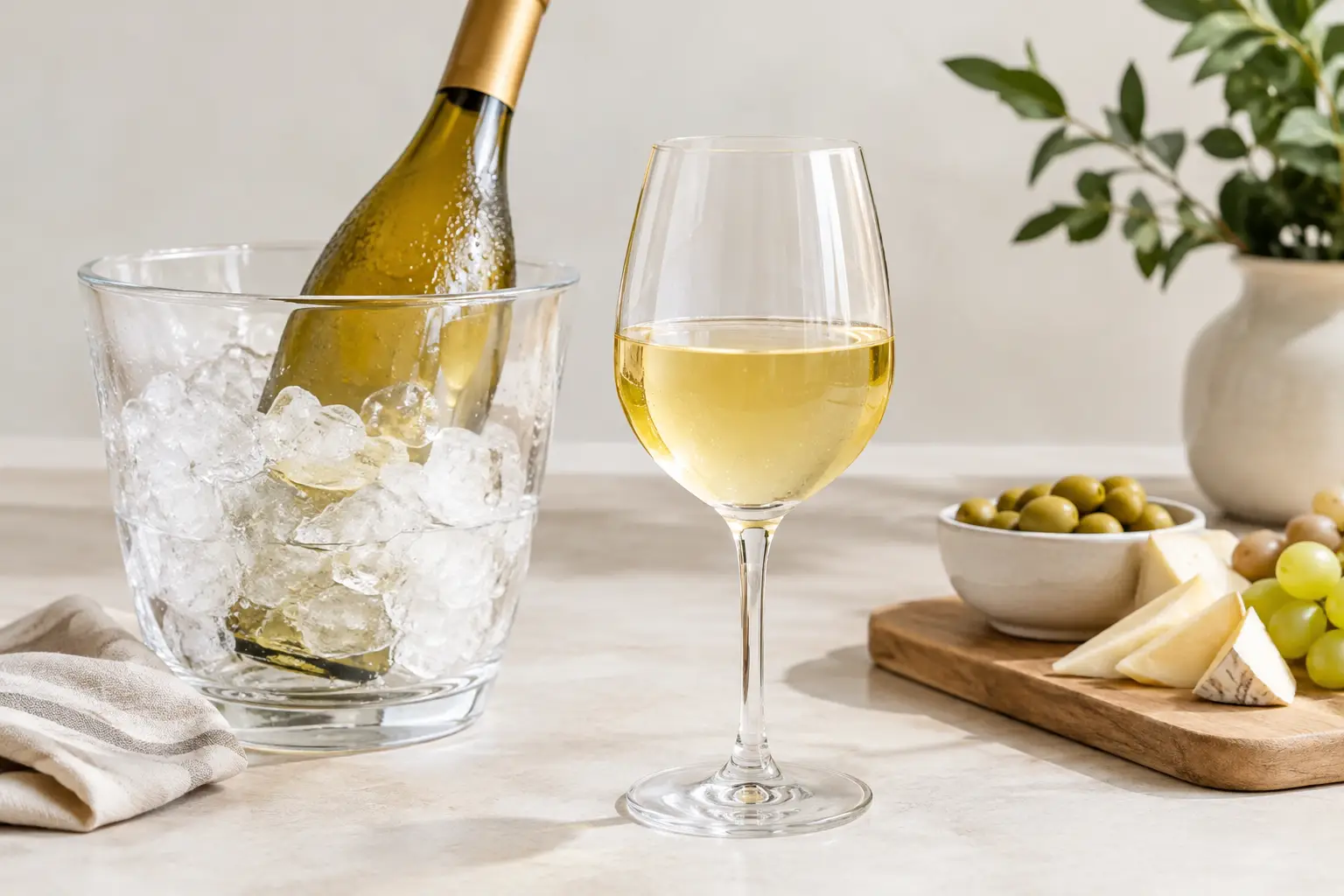
A little preparation changes how wine shows up at the table. White wine is most refreshing when it is chilled, but extremely cold temperatures can mute its flavor. If a bottle has been in the refrigerator all day, set it out briefly before serving. Keep it nearby in an ice bucket or cooler so guests can pour another glass without the wine becoming warm.
Red wine is often served warmer than it needs to be, especially in a busy kitchen. A slightly cool red usually feels more balanced and fresh with food. If the room is warm from cooking and conversation, placing a red in the refrigerator for a short time before dinner can help it settle into a comfortable serving temperature.
Open red wine before the first guests arrive when you can. This gives you one less thing to manage while greeting people and lets the wine open gradually in the glass. There is no need for a formal ritual. A clean corkscrew, a few extra glasses, and a spot on the table away from the stove are enough.
Not every guest needs a large pour, and not every bottle needs to be opened at once. Start with what fits the first part of the meal. You can always bring out another wine when the main course reaches the table or when the conversation settles into a slower pace.
Make Room for Holiday Traditions and Surprises
The best holiday meals are rarely perfectly timed. Someone arrives with an unexpected side dish. A relative brings a bottle they have been saving. Dessert appears before the dishes are cleared. A good plan leaves room for all of it.
If a guest brings wine, welcome it without feeling obligated to open every bottle. You can ask whether they would like to share it that evening or save it for another occasion. Either answer is gracious. The point is not to perform expertise. It is to keep the table easy and generous.
Dessert is another place where a little flexibility helps. Sweet desserts can make a dry wine taste sharper or less generous than it does with dinner. If the dessert is very sweet, coffee, tea, or a nonalcoholic option may be the more natural finish. With less-sweet desserts, fruit, nuts, or a cheese plate, a remaining glass of red or white can still be a lovely companion. Let the food lead.
Build a Tradition Around What You Actually Enjoy
A holiday wine plan does not need to change every year. In fact, there is something comforting about returning to bottles that your family and friends recognize. Perhaps Chardonnay is the first pour while the meal comes together, or Cabernet Sauvignon is the wine that always reaches the table with the main dish. Those small patterns can become part of the memory of the evening.
For hosts in Ventura County and beyond, a tasting can be a helpful way to choose wines before a celebration. At SKS Cellars in Camarillo, the focus is on wines made to be enjoyed with food and shared with real people, which is exactly the standard worth carrying into holiday planning.
Keep your checklist nearby, but do not let it become a script. Choose wines with care, serve them simply, and make room for the people around the table. The bottle may be thoughtfully crafted, but the part everyone remembers is the meal, the conversation, and the feeling that there was a place for them.